

This is the last in a series of Friday posts leading up to TWC’s Shapley Lecturer presentations being given on Thursday through Saturday, October 1st-3rd. On October 1st-3rd, 2026, The Wilderness Center is honored to host Harlow Shapley Lecturer Dr. Quyen Hart, Ph.D. She earned her Ph.D. from the University of Colorado Boulder. Her research has included binary stars, large galaxy clusters and their environments and active super-massive black holes at the center of galaxies in cluster environments. Dr. Hart is an astronomer, educator, and outreach professional with expertise in science communication and project management. She is currently the Project Scientist for the James Webb Space Telescope (JWST) Science Communications in the Office of Public Outreach (OPO) at the Space Telescope Science Institute (STScI) in Baltimore, Maryland. STScI is the operational home of the Hubble Space Telescope, the James Webb Space Telescope, and the Nancy Grace Roman Space Telescope, along with ever-growing data archives and public outreach. For over 20 years Dr. Hart has been actively involved in formal and informal astronomy education, providing unique learning experiences for people of all ages. Her extensive experience includes working on several projects for NASA’s Universe of Learning, including Girls STEAM Ahead and ViewSpace, and OPO outreach efforts for the Hubble Space Telescope, JWST, and now the Nancy Grace Roman Space Telescope, teaching astronomy and physics classes at the college level, organizing and hosting outreach events, and directing summer STEM camps for middle school children. She is passionate about sharing the wonders of astronomy and science with the general public because she knows that everyone can be a scientist! Dr. Hart’s presentation is titled “Rising Above: How Space Telescopes Rewrite Astronomy.” Her description for this talk is intriguing: “We've always been curious about what lies just beyond our horizons. But to truly explore it, we need to rise above Earth's atmosphere itself, which blurs and even blocks some forms of light. Space telescopes let us see the universe in every type of light there is. The Hubble Space Telescope opened the door, and the James Webb Space Telescope pushed it wide open, peering deeper into the darkness than we thought possible. And soon, the Nancy Grace Roman Space Telescope will join them, giving us an even wider view of the universe. How have space telescopes rewritten the astronomy textbooks? In this talk, we'll journey through the universe, uncovering some of the most ground-breaking discoveries made with space telescopes, and the new clues they've found about the origins of stars, planets, black holes, and galaxies.” Pick the lecture date and time that best fits you and join us on October 1st, 2nd, or 3rd for Dr. Hart’s Shapley Lectures . Registration is required. All Shapley Lecture activities are free – (all lectures, Friday evening planetarium show, and star watch.) Whether you’re a lifelong astronomy enthusiast, a student exploring a future in STEM, an educator, or simply someone who has ever looked up and wondered what’s out there, this is an opportunity you won’t want to miss. Written by Robin Gill, Astronomy Education Specialist
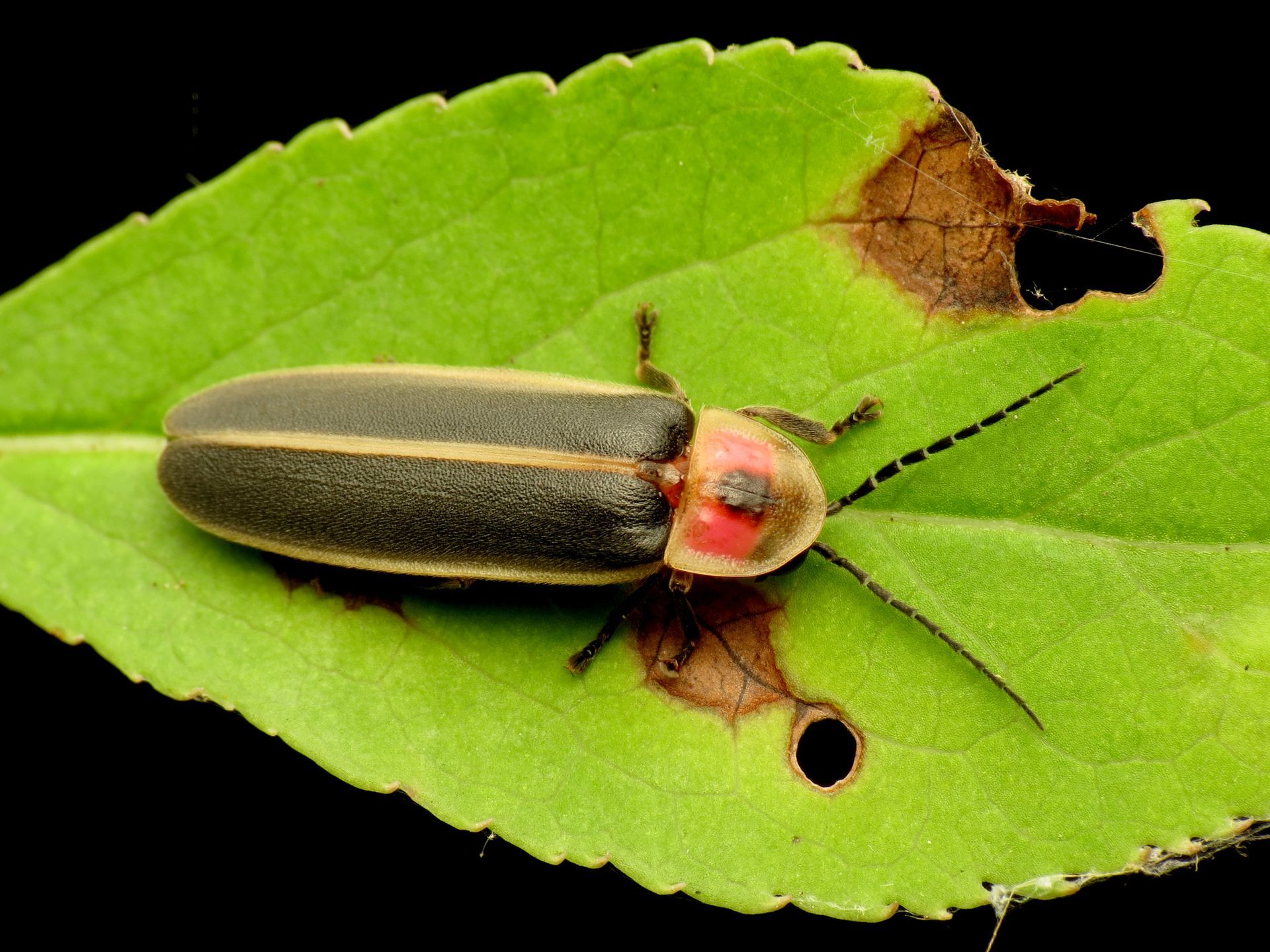
Happy #WildlifeWednesday! With summer officially over and fall beginning, let's bid farewell to an iconic nocturnal animal of summertime, the lightning bug! Lightning bugs are soft-bodied beetles that are also commonly referred to as fireflies. There are more than 2,000 species in the firefly (Lampyridae) family, with about 12 dozen species found in Ohio. Lightning bugs get their name from their ability to flash bright lights in the darkness, like a tiny bolt of lightning. All lightning bugs glow as larvae. They use this glow to warn predators that they do not taste good. The larvae eat snails, slugs, and worms. Lightning bugs produce their light through bioluminescence, light emitted due to a chemical reaction in a living organism. Bioluminescence is nearly 100 percent efficient and little energy is wasted to produce their light. Lightning bugs use their flashes to attract mates, and the light can be yellow, green, or orange in color. Lightning bugs can be seen in Ohio from late May through August, with peak activity occurring June through mid-July. Be sure to visit the Enchanted Forest for a last glimmering peak at a Lightning Bug until next year! Written by Michelle Leighty, TWC Environmental Education Specialist
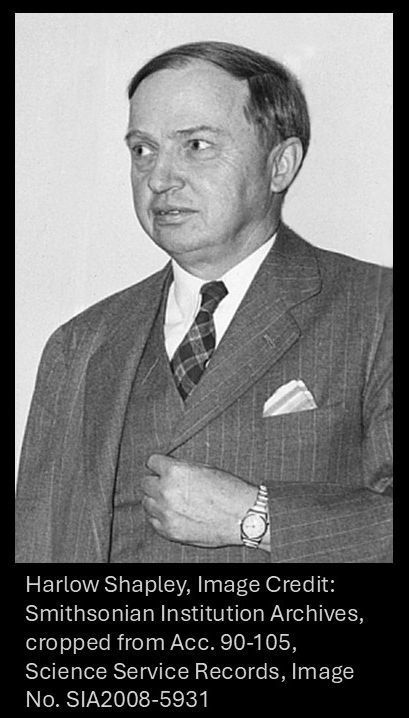
This is the third in a series of Friday posts leading up to TWC’s Shapley Lecturer presentations being given on Thursday through Saturday, October 1st-3rd. The Wilderness Center is honored to host Harlow Shapley Lecturer Dr. Quyen Hart on October 1-3, 2026. The American Astronomical Society (AAS) Harlow Shapley Visiting Lecturers Program brings distinguished astronomers and astronomy educators to schools and communities across North America to share the wonder of the universe and inspire people to bring science into their lives. The Lecturers Program has been a long-running tradition for the Society. It grew out of AAS’s Visiting Professors Program dating back to 1958 and is named in honor of distinguished astronomer and former AAS President Dr. Harlow Shapley (1885-1972). Harlow Shapley was a farm kid from Missouri and the first in his family to attend college. He had not intended to study astronomy, but after taking his first course he was hooked. He got his undergraduate degree in Astronomy from the University of Missouri and his PhD from Princeton University. He served as director of the Harvard College Observatory from 1921 to 1952. During this time his groundbreaking research transformed our understanding of the size of the Milky Way, identifying the true location of the Sun in our galaxy’s outer disk and not at the center of the galaxy as was believed at the time. Shapley participated in the “Great Debate of 1920” over the nature of “spiral nebulae” – what we now call galaxies – were they a part of the Milky Way or their own “island universes” far outside the Milky Way. This issue and debate helped shape the modern concept of the galaxy and began extragalactic astronomy. Shapley was one of three founding lecturers in the AAS Visiting Professors Program, which received intermittent funding from the National Science Foundation from 1958 to 1971. Upon Shapley’s passing, a private donation from the Perkin Fund – established by Richard Scott Perkin, a close friend of Shapley for more than three decades – enabled AAS to continue the Visiting Professors Program beyond the end of federal support. Now renamed in Shapley’s honor, the Harlow Shapley Visiting Lectures Program honors his legacy by continuing his lifelong mission to bring astronomy to broader communities. Check the Shapley Lecture details, pick the lecture date and time that best fits your interest, and join us on October 1st, 2nd, or 3rd for Dr. Hart’s lecture, Rising Above: How Space Telescopes Rewrite Astronomy. Registration is required. All Shapley Lecture activities are free – all lectures, Friday evening planetarium show, and star watch. Whether you’re a lifelong astronomy enthusiast, a student exploring a future in STEM, an educator, or simply someone who has ever looked up and wondered what’s out there, this is an opportunity you won’t want to miss. Written by Robin Gill, Astronomy Education Specialist
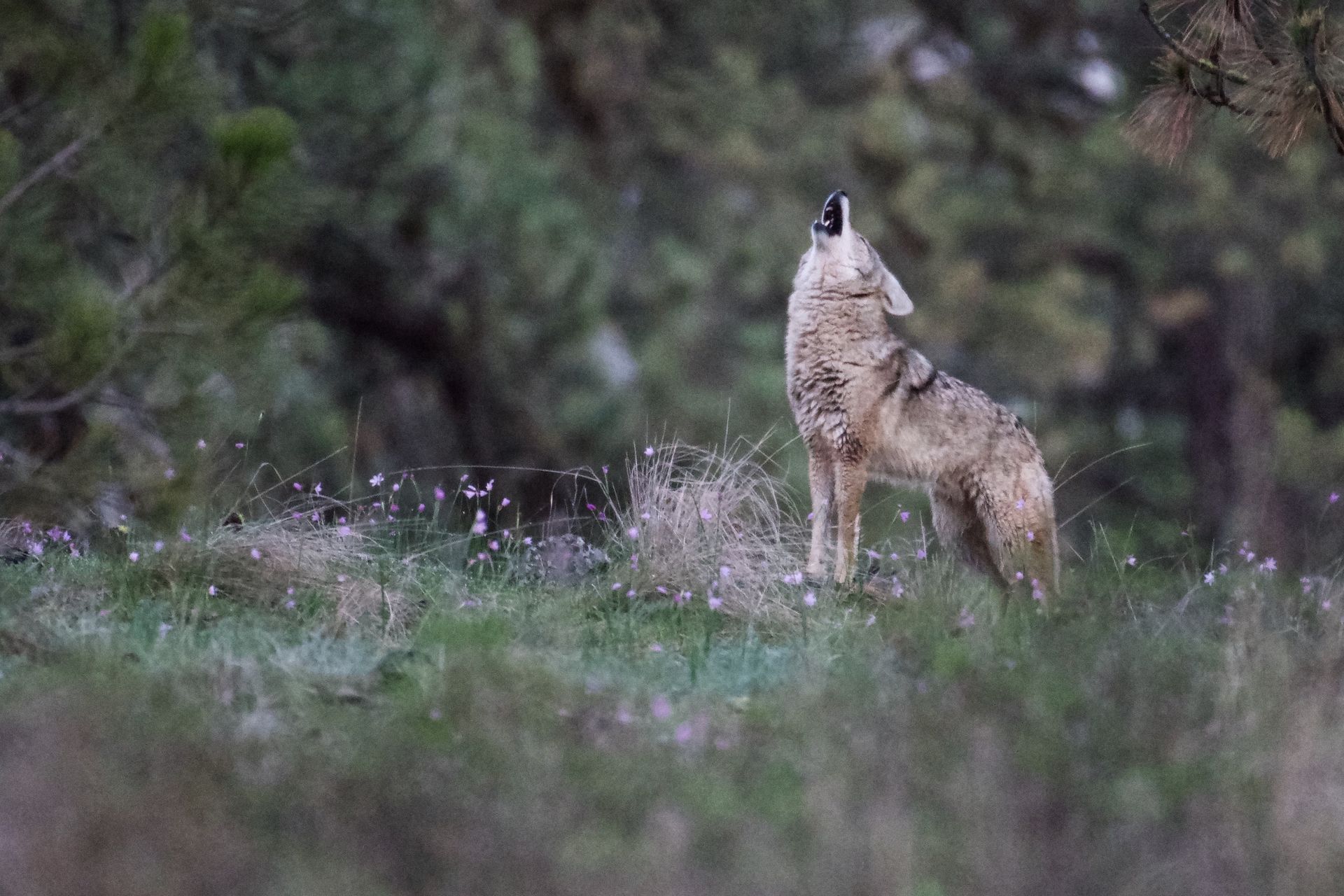
Happy #WildlifeWednesday! Awwwooooo! Yip-yip! What's that sound? It's the howling of Ohio's most musical wild canine species, nicknamed the song dog, but otherwise known as the coyote! The coyote is a medium-sized member of the dog family that is found throughout the state, occurring in all 88 counties. The slender canine has pointy ears and snout and resembles a domestic dog such as a German shepherd or collie. The tail is carried downward at a 45 degree angle as it moves and is bushy with a black tip. Its yellow eyes are a distinguishing feature. Adults weigh an average of 20-40 pounds. The coyote is a highly adaptable and clever animal and can make its home in a variety of habitats, including open spaces, woodlands, agricultural land, suburban parks and golf courses, and large cities. Its ability to use any habitat to its advantage is one reason it is so successful. It is omnivorous, eating mostly rodents, rabbits, birds, deer (typically fawns), fruit, berries, and vegetation. The coyote is described as the most vocal of wild North American mammals, and its scientific name Canis latrans means “barking dog.” The wide assortment of barks, woofs, huffs, whines, yelps, growls, and howls is used for communication, and the iconic group yip-howl song is thought to be part of an elaborate greeting ceremony. Be sure to visit the Enchanted Forest on October 9th and 10th to meet the coyote and even hear a snippet of its song! Written by Michelle Leighty, TWC Environmental Education Specialist
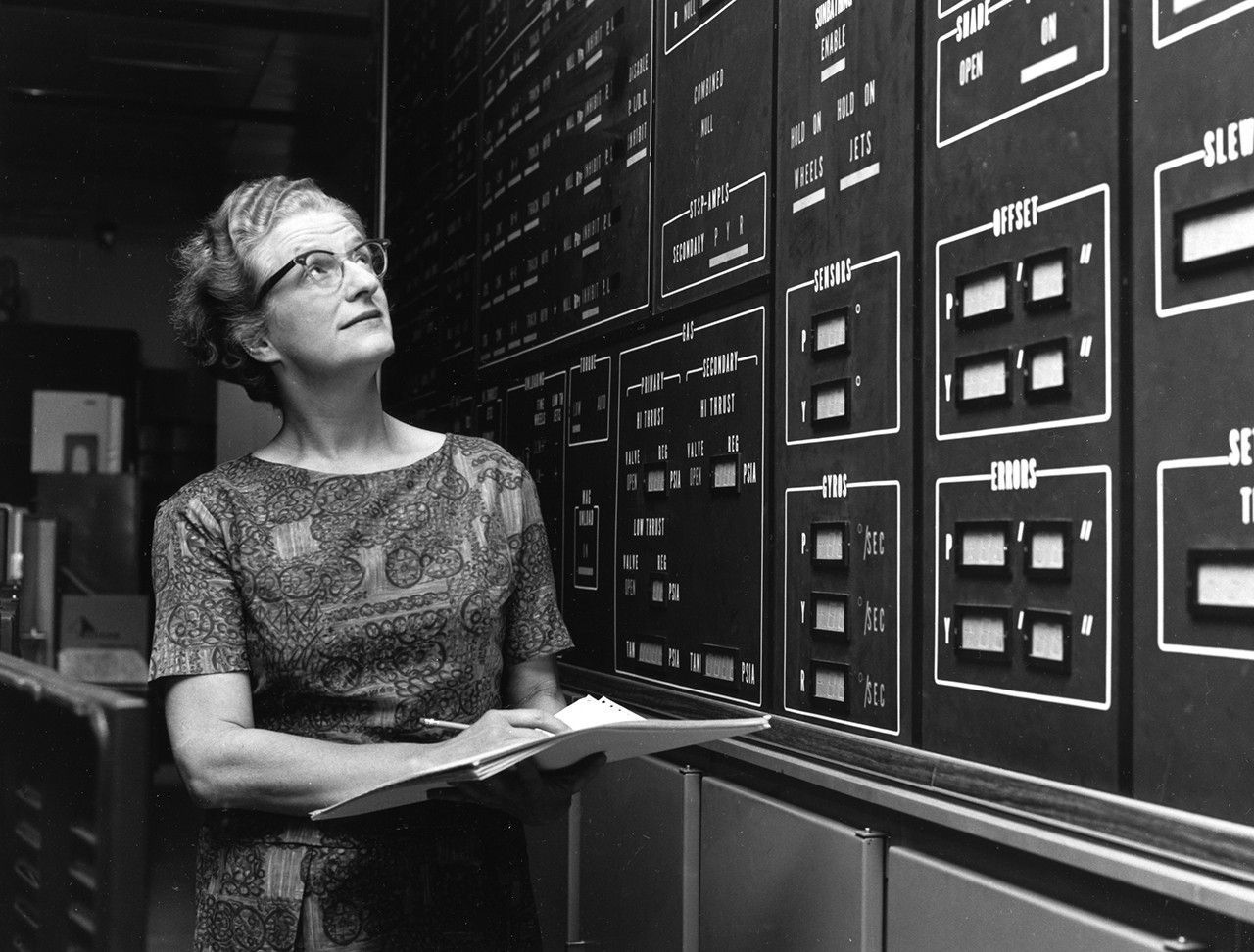
This is the second in a series of Friday posts leading up to TWC’s Shapley Lecturer presentations being given on Thursday through Saturday, October 1-3. Our Shapley Lecturer’s presentation topic is the Nancy Grace Roman Space Telescope. See TWC’s webpage for more information and to register. The Nancy Grace Roman Space Telescope successfully launched on August 30, 2026, and is speeding on its way to its final orbit. The telescope is named in honor of Dr. Nancy Grace Roman. She was born in 1925 and showed an interest in science and math at an early age. Her curiosity about astronomy was sparked by her mother who took her out at night to view the constellations and northern lights. Between the 5 th and 6 th grade she gathered her friends into an astronomy club to study the constellations, and by the time she was in the 7 th grade, she decided she was going to be an astronomer. She went on to receive her bachelor’s degree in astronomy from Swarthmore College in 1946 and her doctorate in astronomy from the University of Chicago in 1949. As a woman astronomer Dr. Roman faced many challenges throughout her career. Many discouraged her from going into astronomy- she was told women should not, could not, be scientists. And after achieving her PhD and working in the field she struggled with its male dominance and the roles perceived as appropriate for women. After graduating from Chicago, Dr. Roman stayed on as a postdoc and eventually became an assistant professor – the first woman on the University of Chicago’s astronomy faculty. She spent six years in the Department of Astronomy and Astrophysics and Yerkes Observatory. Her research, including observations of the star AG Draconis, helped launch her groundbreaking career. Her work began an era of understanding the structure of the Milky Way and it laid the foundation for the field of galactic and dynamical evolution. But despite the significance of her research Dr. Roman faced sexism and wage inequality. And she knew that because she was a woman, she would never receive tenure at the university. So, in 1954 she left academia and moved to the Naval Research Laboratory to work in the new field of radio astronomy. While there she became head of the microwave spectroscopy section. During this time astronomers had to build their own equipment. Here she learned to see as an engineer and gained an understanding of instrumentation – experience that would be necessary in her next job. In 1959 Dr. Roman learned about a job opening at a brand-new agency called NASA. She applied for the job and became NASA’s first female executive and first Chief of Astronomy and Relativity. Her job was to manage astronomy-related programs and grants. And during her time there she oversaw the launch of multiple orbiting observatories. But the one that made her legendary was the Hubble Space Telescope. Dr. Roman was a born leader. She brought together astronomers and engineers to design a telescope that delivered on the science the astronomers wanted, and the NASA engineers could build. She worked with NASA officials to approve the project and with congressional leaders to approve the funding. Dr. Roman was involved in every crucial decision concerning Hubble from where it would be built to the size of its instruments. She had unwavering commitment to the Hubble mission. It was this tenacity that led to her nickname “Mother of Hubble.” Her work was foundational in establishing NASA’s program of space-based astronomical observatories. Of NASA, Dr Roman said she found the environment there welcoming and that she felt accepted as a scientist in her job. “Í felt that the team treated me as one of the team without a problem.” Dr. Roman retired from NASA in 1979. But she never stopped working. She spent her time consulting, teaching, and she never stopped advocating for women entering the sciences. When announcing the name of the Nancy Grace Roman Space Telescope NASA said, “It is therefore with great pleasure that we dedicate NASA's next major space observatory tasked with increasing our understanding of dark energy, the universe, and our place in it, to Dr. Nancy Grace Roman, the pioneer of modern space-based astronomy who made such telescopes a reality.” Whether you're a lifelong astronomy enthusiast, a student exploring a future in STEM, an educator, or simply someone who has ever looked up and wondered what's out there, this is an opportunity you won't want to miss. Find details for the Shapley Lecture and register to join us. Written by Robin Gill, Astronomy Education Specialist
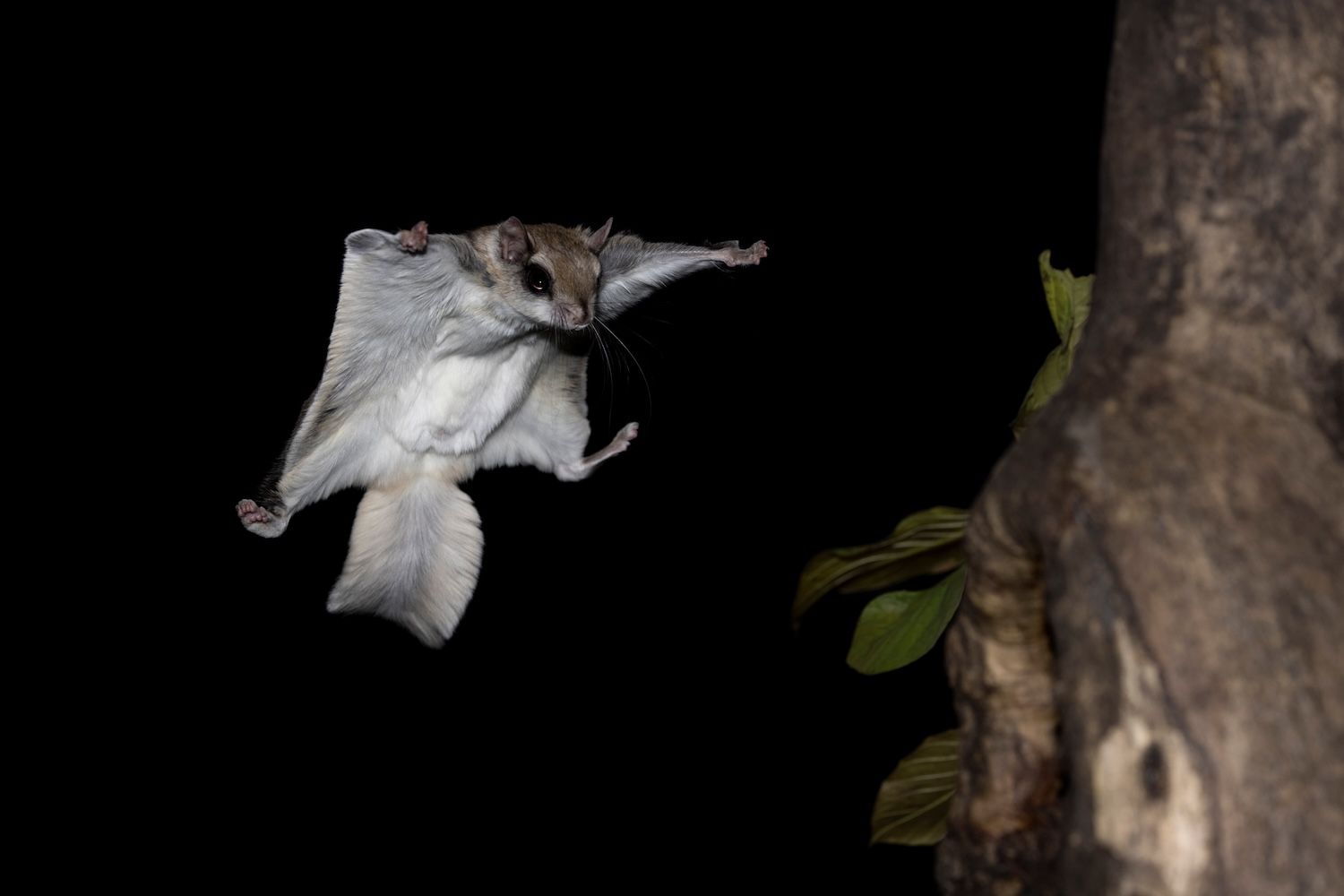
It’s a bird... It’s a plane... It’s Suuuppperman. Wait...no, it’s a squirrel! A flying squirrel?! There are 4 species of squirrel that live in Ohio: the fox squirrel, Eastern gray squirrel, American red squirrel, and Southern flying squirrel. The flying squirrel is the most common and abundant, though is the most rarely seen due to it being entirely nocturnal and living high in the tree canopy. Flying squirrels do not actually fly, but glide from great heights with the help of a membrane called a patagium. They get a running start along a branch or will propel themselves from a stationary position, then as they are airborne will spread their limbs out into the shape of an X, extending the patagium. They are graceful while gliding and are able to maneuver with great accuracy. Southern flying squirrels are very social and will forage and “fly” together in large groups. They will also den together in the winter, partially for warmth in numbers. They make their nests deep in natural tree cavities and woodpecker holes, and also occasionally build nests from twigs and leaves. Their diet consists of nuts, fruit, fungi, insects, bird eggs, and flowers. They will also visit bird feeders for seeds at night. A trail camera focused on a bird feeder is a great way to monitor flying squirrel activity in your own yard. The flying squirrel is just one of many interesting nocturnal characters visitors can meet at our upcoming Enchanted Forest event. Learn even more about these adorable yet elusive creatures, and if you listen closely you may even get to hear the flying squirrel rap! Written by Michelle Leighty, TWC Environmental Education Specialist
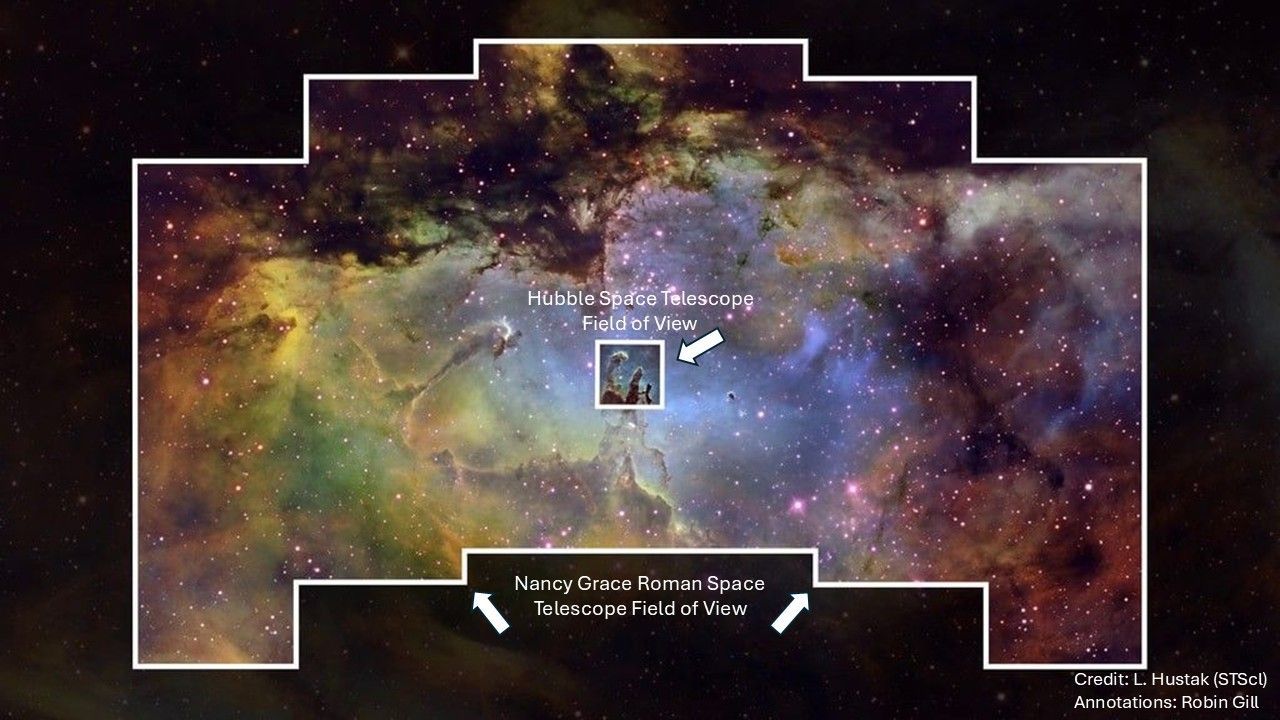
The Nancy Grace Roman Space Telescope launched on August 30, 2026, at 07:26AM EDT on a SpaceX Falcon Heavy rocket from Launch Complex 39A at NASA’s Kennedy Space Center in Florida. Roman isn’t orbiting Earth. Instead, it’s heading for the second Sun-Earth Lagrange Point, or L2 for short, a gravitationally stable region of space about 1.5 million kilometers from Earth. The James Webb Space Telescope is also stationed at L2. Roman’s in-flight mission objectives are being checked off. So far, the telescope’s antenna and visor-like sunshade have been successfully deployed, and the Coronagraph Instrument has been successfully activated and has begun its monthslong series of calibrations and tests. The telescope is named after the late Dr. Nancy Grace Roman, NASA’s first chief astronomer and one of the architects of the agency’s modern science program. It is the first space telescope named for a woman. Dr. Roman championed space-based observatories that could study the universe from above Earth’s hazy atmosphere while making their data broadly available to the scientific community. NASA has planned a five-year mission for Roman with the option of adding another five-year mission after that. The telescope has a multipurpose mission. The Roman Space telescope has been uniquely designed to study and solve two of the biggest questions, biggest mysteries, in physics and astronomy, what is dark matter, the stuff holding galaxies together, and what is dark energy, the invisible force making the universe expand faster and faster over time. 95 percent of the universe is made of stuff we don’t understand at all and can’t see directly. Understanding this 95% will allow us to understand how the universe evolved into what we see today and what its ultimate fate could be. The telescope will also be hunting for exoplanets and rogue planets and testing a new coronograph, which if successful, will image Jupiter-sized planets close to their host stars for the first time ever. The Nancy Grace Roman Space Telescope will be pumping out data. NASA Senior Project Scientist, Dr. Julie McEnery, has said “To put this in context, one month of Roman observations would correspond to a century with Hubble.” Roman’s primary mirror began its journey sitting in storage as a piece of spare hardware for a scrapped US spy satellite. The 2.4m (96 inch) wide mirror was gifted free to NASA for use in the Roman telescope. This mirror is the same size and has the same resolution as the mirror in the Hubble Space Telescope. The real difference between Hubble and Roman is Roman’s camera, the Wide Field Instrument (WFI). This camera is amazing. It’s a 300mp camera built for visible and near infrared light. It has 18 individual image sensors. Each sensor is about the size of a saltine cracker that combines into one image. There is a gap between the sensors; to compensate for this gap NASA is using an imaging technique called dithering to rotate the telescope slightly so that the image overlaps and fills in the gaps. This camera can capture an area 100 times larger than Hubble’s field of view in a single image. Roman is going to take huge, gigantic images. Images stitched together for just one of Roman’s surveys displayed at full resolution on a 4K TV would require 500,000 TVs to display the full survey. That many TVs would cover the entire face of El Capitan in Yosemite National Park. It will take about 3 months of traveling, testing, and calibrating its instruments before observations can begin. NASA expects to release the first images from the Roman Space Telescope possibly as early as late December 2026 or January 2027. All the data Roman collects will be publicly available. Images will be available to anyone with an internet connection. The Roman Space telescope is going to survey billions of stars and galaxies and show us things we’ve never seen before. It might even surprise us and answer questions we haven’t even thought to ask. Actually, Roman’s mission isn’t far from what its primary mirror was built for. It will be spying for secrets – secrets of the universe. Dr. Roman would be proud. Whether you're a lifelong astronomy enthusiast, a student exploring a future in STEM, an educator, or simply someone who has ever looked up and wondered what's out there, this is an opportunity you won't want to miss. Find details for the Shapley Lecture and register to join us. Written by Robin Gill, TWC Astronomy Education Specialist
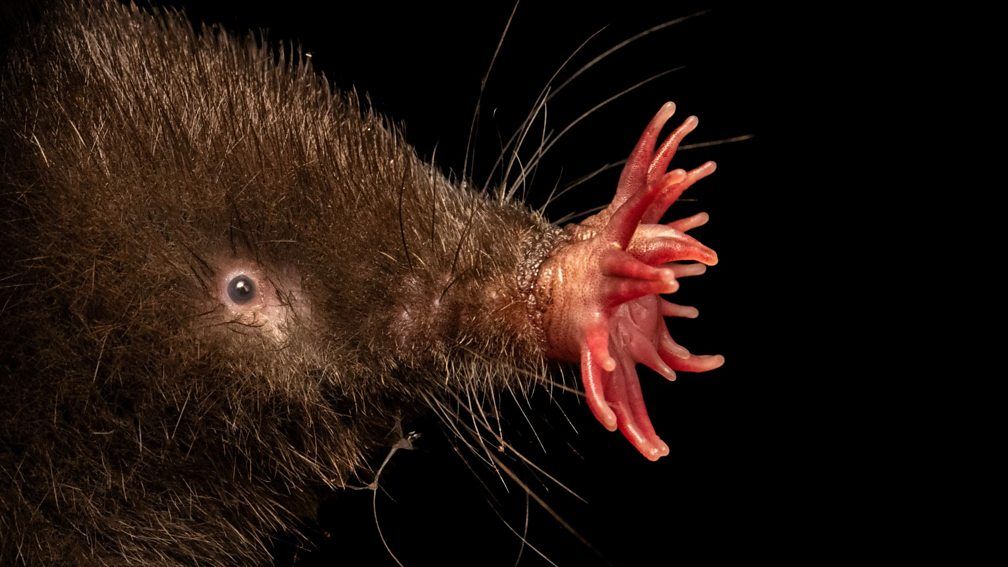
Happy #WildlifeWednesday from the star-nosed mole! This bizarre hamster-sized mole with a striking snout is semi-aquatic and lives in wet lowland areas throughout Ohio. Using its large front paws and thick claws, the star-nosed mole excavates extensive underground burrows and tunnels. They also use these paws to swim, turning the palms outwards and moving their appendages in a maneuver resembling the breaststroke. The mole hunts both day and night, consuming earthworms, terrestrial and aquatic insects, mollusks, crustaceans, amphibians, and small fish. Essentially blind due to its tiny eyes and subterranean lifestyle, it uses the remarkable snout for which it is named to process sensory information while hunting. Let’s talk about that nose! The “star” is formed by 22 finger-like tentacles called rays. With tens of thousands of nerve endings and sensory receptors called Eimer’s organs, the snout of the star-nosed mole is the most sensitive touch organ known in the animal kingdom. The rays are constantly in motion and can touch multiple objects in under one second as it searches for food in its dark tunnels. The nose can determine in under 8 milliseconds whether something is edible, the fastest response to a stimulus known in animals, and the star-nosed mole is recognized in the Guiness Book of World Records for being the fastest forager on the planet. That’s not all! The amazing proboscis of the star-nosed mole allows it to smell underwater, which was previously thought to be impossible for mammals. Using the star-like structure of its nose, the mole blows 8-12 small air bubbles per second over objects in the water. The bubbles are quickly drawn back into the nostrils and sniffed to determine if the items are food. The stupendous star-nosed mole will be one of the characters at our upcoming Enchanted Forest event. Come learn even more about this unusual creature and its incredible nose. Smell you later!
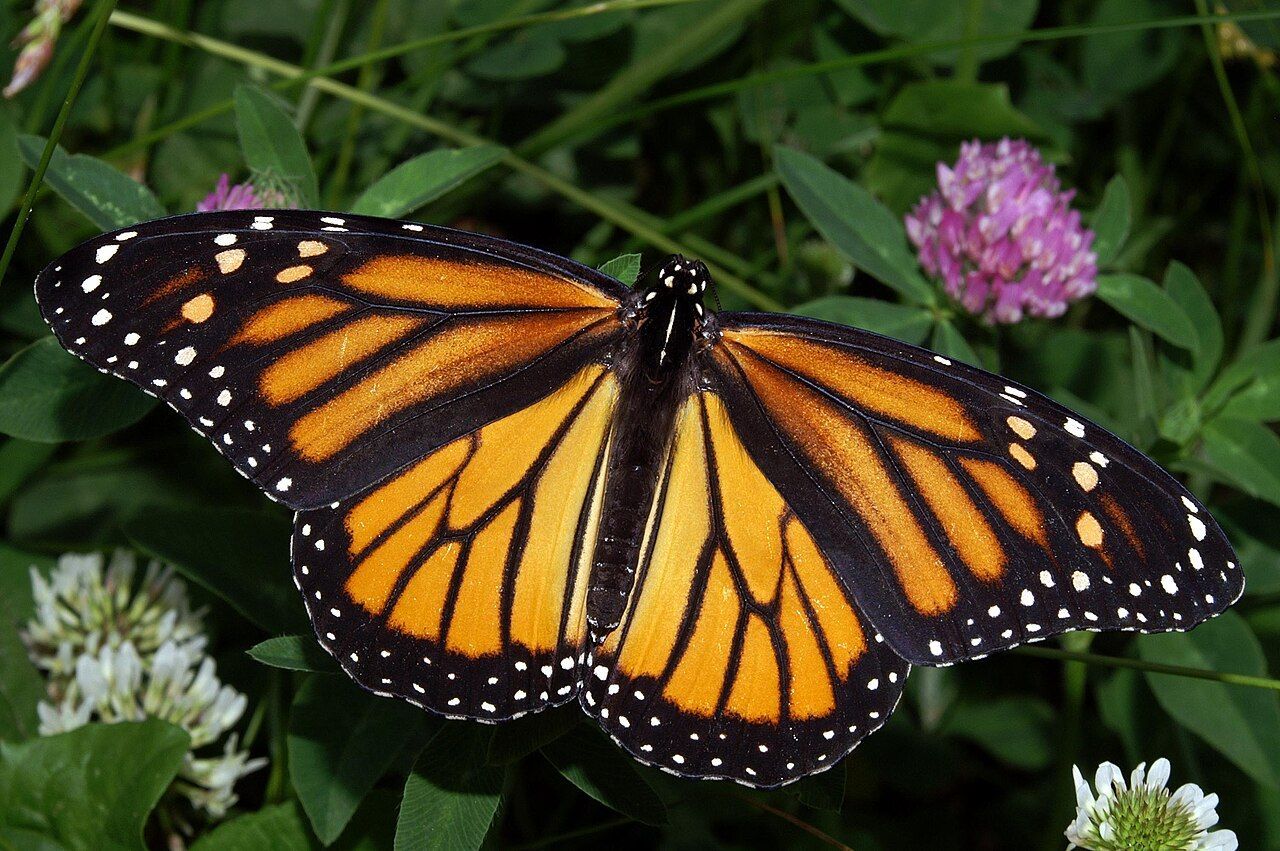
Happy #WildlifeWednesday! Monarch migration is underway! Eastern monarch butterflies are currently flying through Ohio on their way from their summer breeding grounds in Canada to their overwintering areas in Mexico. The monarchs will migrate thousands of miles, traveling up to 100 miles each day from late August through October, reaching their roosting sites in November. The best time for viewing the largest numbers of butterflies during migration in Ohio is the first 3 weeks of September. The migrating butterflies rely on steady food sources along their journey, including native milkweed and flowers. Loss of grassland and prairie habitats have contributed to the decline of these charismatic butterflies as well as other pollinating insects such as bees, wasps, and moths. Late summer and early fall (right now!) is the perfect time to gather seeds from milkweed pods for planting. Providing more habitat and monarch “waystations” along their flyways contributes to their conservation. Native milkweed species to plant in Ohio include common, swamp, butterfly, and poke milkweed. Milkweed is the sole host plant to the iconic monarch caterpillar, which feeds exclusively on the leaves. Monarchs migrate both individually and in groups, sometimes congregating together in spectacularly enormous numbers to rest and re-fuel, a dazzling sight to nature lovers and photographers. Monarchs can be seen any time of day, though morning is better viewing, before the afternoon temperatures get too hot. They bright orange beauties can be admired flying in the air overhead, as well as be spotted in trees, bushes, grasses, and gardens. The Wilderness Center is a great place to look for monarchs! Come visit our prairie overlooking Wilderness Lake and hike the Prairie Loop trail soon for excellent opportunities to see monarchs up-close and on the wing.
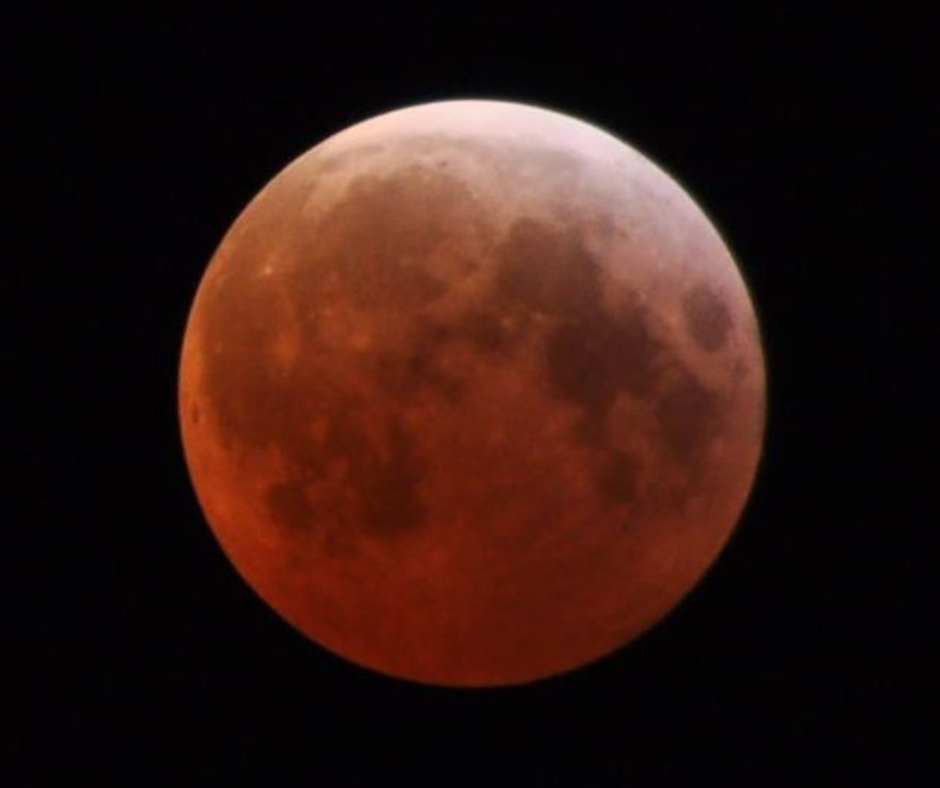
On August 28, 2026, we will be treated to the full Sturgeon Moon and a partial lunar eclipse. The full Moon occurs at exactly 12:18AM EDT. The partial lunar eclipse reaches its maximum at 12:12AM EDT. See more about the eclipse below. If you’re up early you can catch this full Moon before it sets at 7:11AM EDT and of course it will still look big, full, and bright when it rises at 8:17PM EDT later that evening. Native American names for full Moons are rooted in their knowledge of the natural world and their observed changes to this world from month to month. August’s Moon gets its name from the lake sturgeon, the largest freshwater fish in North America. In late summer, and particularly in August, these fish were quite abundant and easy to catch. They were an important food source for many Native American tribes who lived in what are now the St. Lawrence, Hudson Bay, Great Lakes, Mississippi River and Coosa River watersheds. The importance of this fish made it the perfect inspiration for the name of the August Moon. Today, many people are not familiar with the lake sturgeon. The origins of these fish trace back to around 136 million years ago. Their long history and the fact that they look prehistoric have led many to refer to them as living fossils. These once abundant fish that were so important to so many Native American tribes are now quite rare due to overfishing in the 1800’s, pollution and damage to their habitat. Although Sturgeon Moon is the most common name for August’s full Moon there are so many others. There are names associated with plants and harvesting such as the Lakota name Moon of the Ripening. The southern plains Ponca tribe call this the Corn is in the Silk Moon, and the Assiniboine people call it the Black Cherries Moon. There are August Moon names associated with animals. For instance, the Arapaho call this Geese Shedding Their Feathers Moon and the Cree call it the Young Ducks Begin to Fly Moon. Summer heat and drought conditions have given rise to names such as the Catawba name Dry Moon and the Shoshone name Hot Moon. The Tlingit people of the Pacific Northwest call it the Mountain Shadows Moon. Although we couldn’t witness the total solar eclipse on August 12 the August full Moon will treat us to a deep partial lunar eclipse beginning late on Thursday, August 27, and ending early in the Morning on Friday, August 28. A lunar eclipse always occurs about two weeks before or after a solar eclipse. A partial lunar eclipse happens when the Earth moves between the Sun and the Moon but the three don’t form a straight line in space. When this happens part of the Moon’s surface is covered by the darkest part of the Earth’s shadow, the umbra, and the rest is covered by the lighter outer part of the Earth’s shadow, the penumbra. During this eclipse Earth’s umbra will cover about 96% of the Moon at maximum eclipse which is why it’s called a “deep” partial eclipse. This part of the Moon may glow coppery orange or red in color, very much like a blood Moon. This leaves only a sliver of the Moon covered by the penumbra shining a bright silvery color. The penumbral eclipse begins at 9:30PM, August 27, when the Moon begins moving into Earth’s penumbra shadow. The umbral part of the eclipse begins at 10:30PM as the Moon moves into Earth’s umbra shadow and begins turning red. At 12:12AM, August 28, the maximum umbral part of the eclipse is reached. At 1:51AM the umbral part of the eclipse ends and at 3:01AM the penumbral part of the eclipse ends. In total the eclipse lasts 5 hours and 38 minutes. If you have the opportunity, take time to enjoy the full Sturgeon Moon and the partial lunar eclipse.