
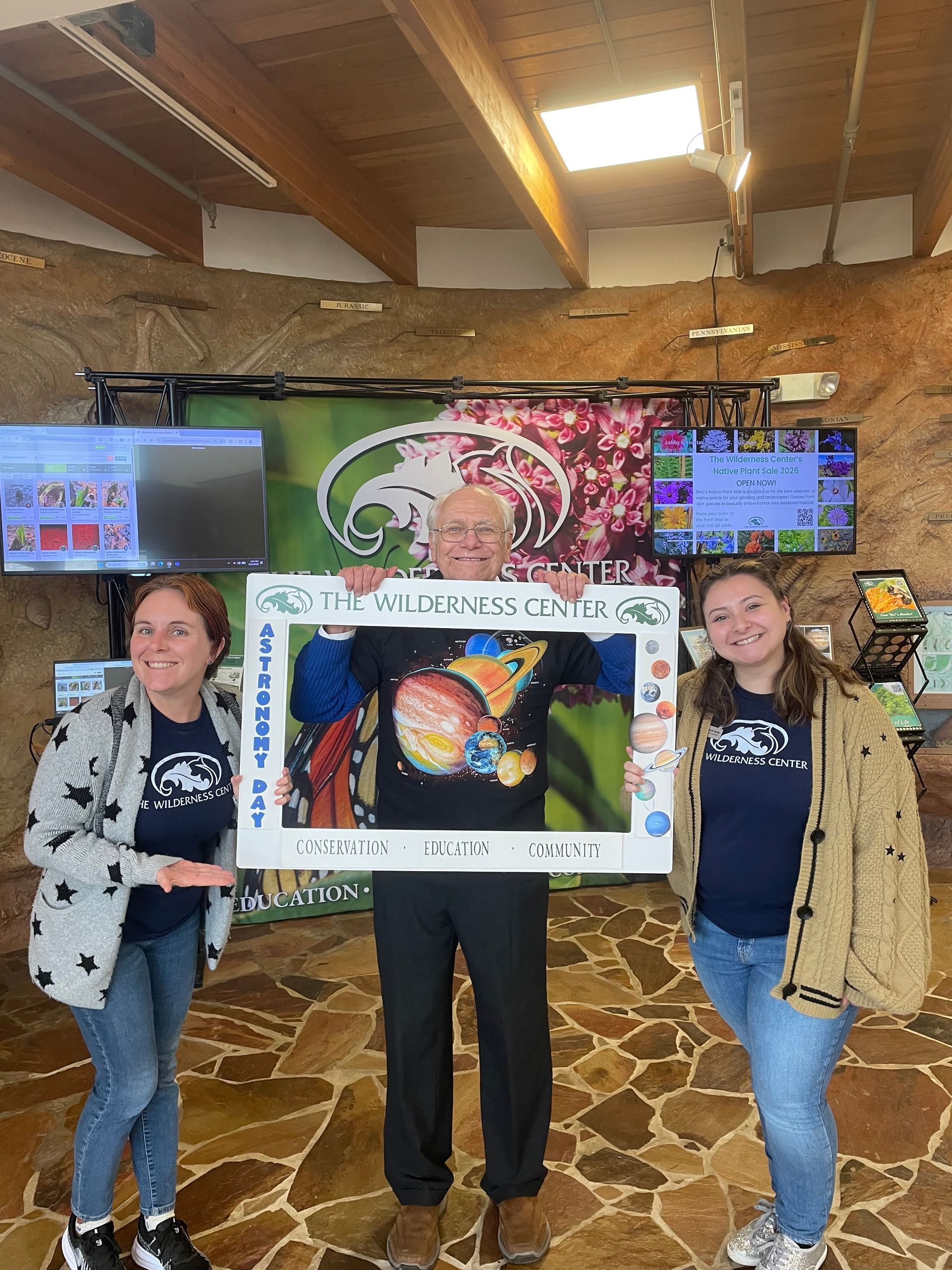
The reviews are in! TWC Astronomy Day declared out-of-this-world! Between a meteor entering the atmosphere as a fireball over northeast Ohio causing a sonic boom before fragmenting and the compelling coverage of the Artemis II lunar flyby mission, it’s been a month of noteworthy space-related action. Included in this was our 2026 Astronomy Day celebration at TWC! Visitors were delighted throughout the day and night to a wealth of programs, expert speakers, crafts, activities, planetarium shows, and viewing of celestial objects through our telescopes. On the speaker front, three guest lecturers delivered interesting talks on a collection of cosmic topics. To kick things off, Dr. Darren Williams from Penn State University detailed the discovery and exploration of exoplanets (planets outside of our solar system orbiting a star other than our Sun) and indications that some may be suitable homes for life! Next, retired NASA Glenn Senior Research Engineer Tom Benson gave a lively and entertaining talk about life on the International Space Station. With an in-depth video virtual tour, this fascinating program gave viewers the chance to see what living on the ISS is like down to the intimate details, including where the astronauts sleep, how they exercise and brush their teeth, and looks at the kitchen and even the bathroom, answering the burning question of how a space toilet works. And finally, TWC Astronomy Club President David Gill showcased how scientists search for life in the universe outside of Earth and what the future of this thrilling research could entail. Four planetarium shows throughout the event covered topics including the origin of our own Moon and its role in making Earth a habitable planet, moons of other planets in our solar system, methods astronomers use for discovering alien worlds and exoplanets (thousands have been identified!), and the transformation of the Earth’s surface and atmosphere. TWC Astronomy Education Specialist Robin Gill’s “Tonight’s Sky” segments detailing the seasonal constellations and planets that were visible at the time were an additional treat. Family-friendly drop-in activities, crafts, and science demonstrations were available to guests throughout the day and everyone had a blast designing their own exoplanets, writing and sharing space stories, drawing and coloring with relaxing atmospheric space-themed tunes, and learning how Saturn could float in a massive hypothetical “bathtub” due to its low density with an amusing demo using bowling balls and a big tub of water. Our interactive Dark Sky Lab gave users the chance to experiment with light fixtures and bulbs and learn about resources and habits to become Dark Sky Friendly. Additionally, the TWC gift store had plenty of nifty outer space-themed gear to purchase, including tee shirts, books, toys, mugs, and puzzles. As for the weather, the day itself was warm and pleasant, and hikers were happy to complete the Solar System Walk, a mile-long trek around our Pond Trail with placement of informational stations along the way representing the placement and distance of celestial bodies to scale. Thanks to the clear sky, solar viewing was a daytime opportunity in our Observatory to observe the Sun safely through powerful telescopes, and viewers could even see sunspots (dark areas on the surface indicating magnetic intensity) and prominences (loops of hot plasma that extend into the corona). As day transitioned to evening and the sky became dark, stargazers were awed by the wonders of the night sky. Astronomy Day was truly an out-of-this world celebration filled with education and fun and we are already looking forward to next year! Space is the place!
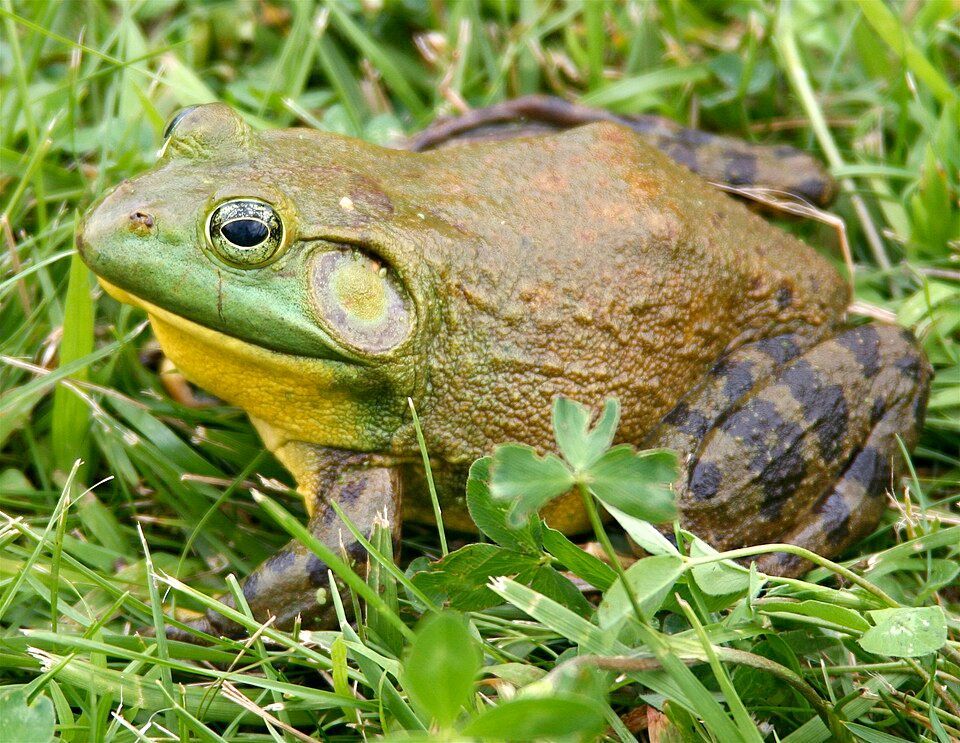
Hoppy #WildlifeWednesday! Let’s leap in and learn some fun facts about the impressive American bullfrog! The American bullfrog is the largest frog in North America, with adults weighing more than a pound. The name “bullfrog” comes from the noise males make during the breeding season, which sounds like the bellowing of a bull. Their croaking call is often described as “jug-o-rum” and can be heard from a mile away. They are part of the family Ranidae, referred to as the "true frogs." These frog species have smooth moist skin, long powerful legs, and extensively webbed feet. American bullfrogs are voracious ambush predators, and will eat any animal they can overpower and stuff into their mouths. This can include anything from fish, snails, and insects to rodents, birds, and even bats. They are able to accomplish this through the quickness of their tongue strike and the powerful grip of their jaws. On the flip side, bullfrogs are an important prey item for many animals, such as river otters, raccoons, herons, snapping turtles, and fish. Humans also hunt them for consumption and their legs are an ingredient in many cuisines. Preferred bullfrog habitat is warm still water such as ponds and small lakes. They are fiercely territorial. They are primarily nocturnal. Join us for our Amphibian Safari night hike and frog monitoring program this Friday from 8:00-9:00 PM as we look for frogs and other amphibians and wildlife! Continue the fun with the TWC Astronomy Club from 9:00-10:30 pm and explore the night sky through telescopes. Amphibian Safari Night Hike: https://www.wildernesscenter.org/inspire-events/15125 . Star Watch with TWC Astronomy Club: https://www.wildernesscenter.org/inspire-events/15130 .
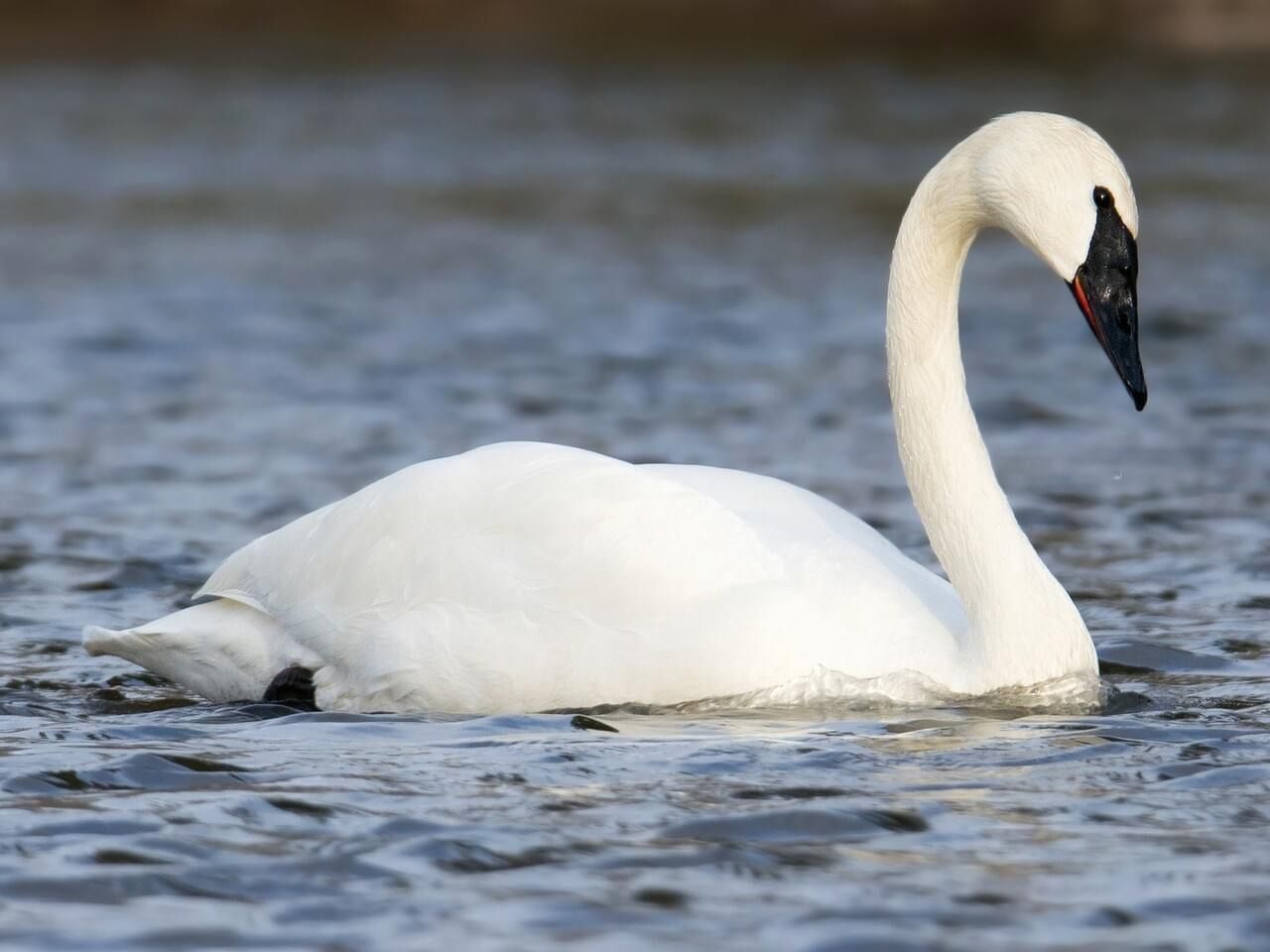
Happy #WildlifeWednesday! Let’s talk about the largest waterfowl in North America, the Trumpeter Swan! Reaching a body length of over 6 feet, weighing close to 30 pounds, and possessing an 8-foot wingspan, these enormous avians are the heaviest flying bird on the continent. In order to become airborne, they require at least 100 yards of…
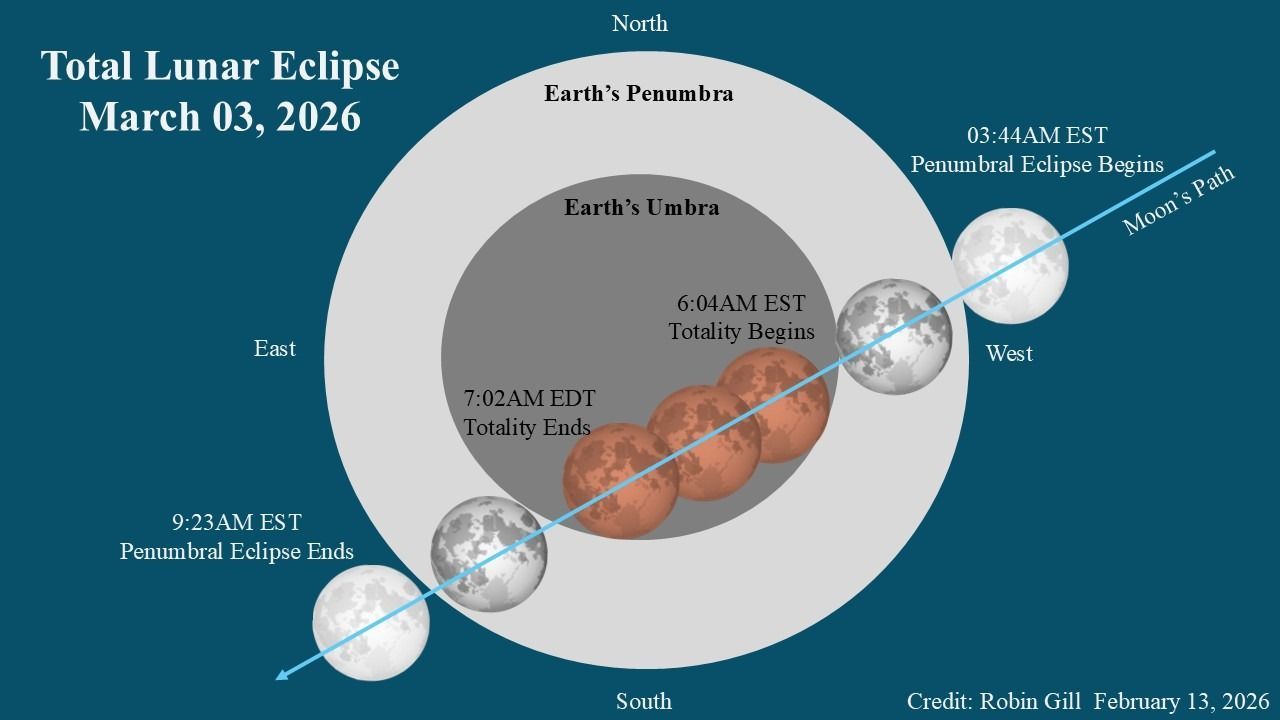
In the early hours of Tuesday, March 3rd, 2026, weather permitting, we will be treated to a total lunar eclipse. The eclipse begins early in the morning at 3:44AM EST when the Moon enters the Earth’s penumbra or lighter shadow. The Moon doesn’t look very different during this phase of the eclipse though you might…
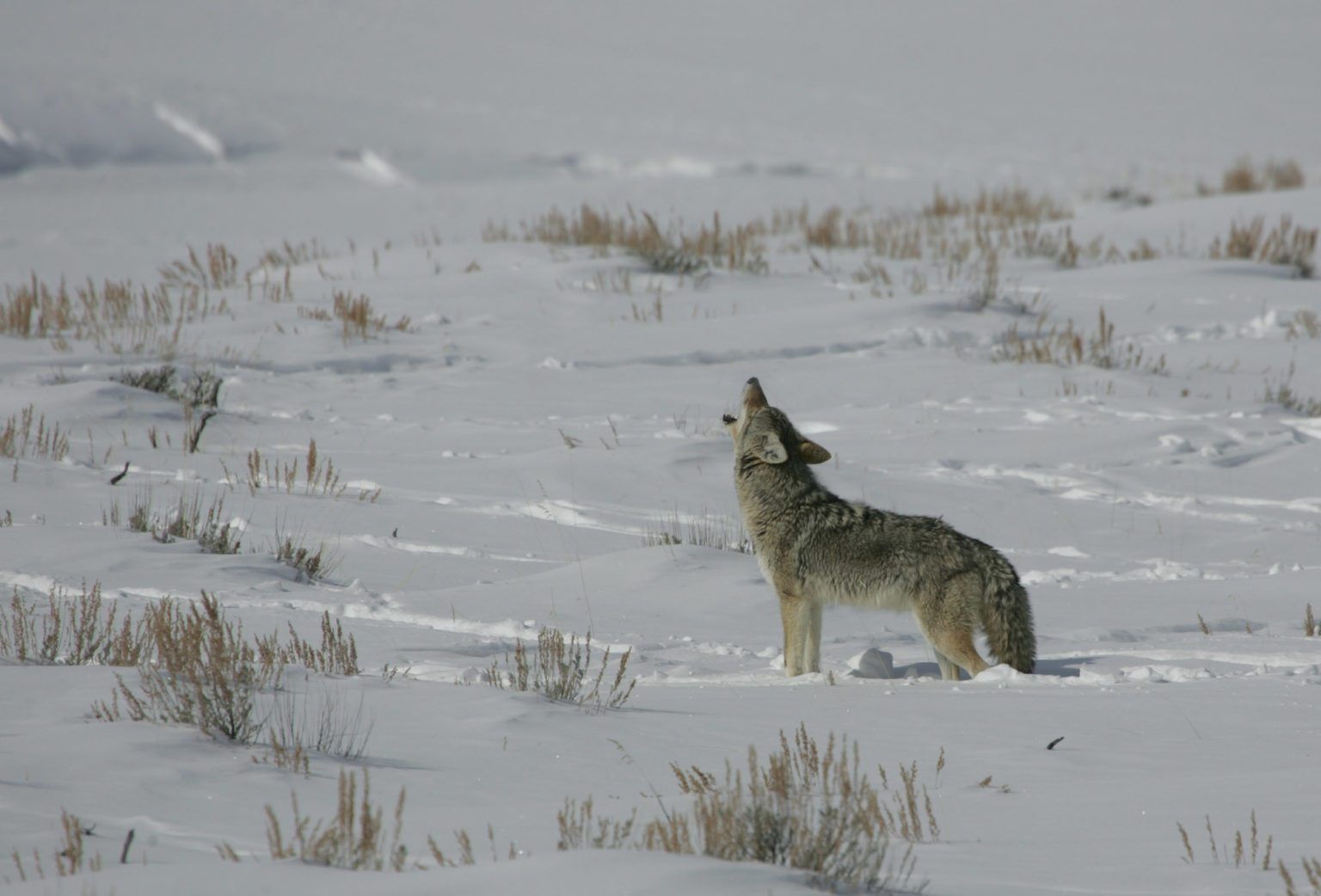
Happy #WildlifeWednesday! Valentine’s Day is approaching and love is in the air, especially for coyotes! February is the peak of coyote mating season, which spans from late January until early March, and is one of the best times of year to hear their howls! Coyotes are highly adaptable animals that make their homes in a…
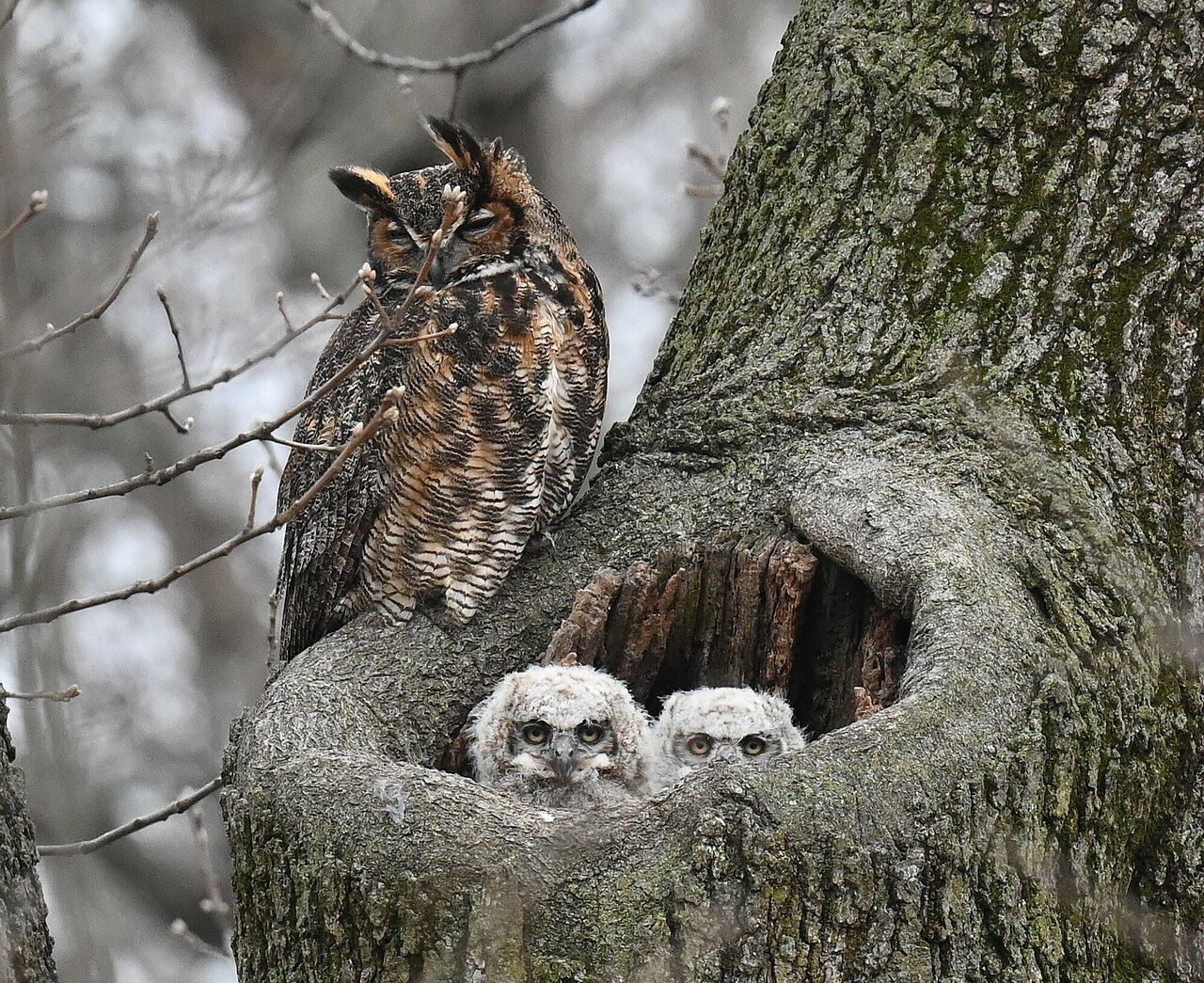
On any of your recent night hikes have you heard the “whooo-hoo-hoo-hoo-hoo” of the great horned owl? Perhaps you know them as “hoot owls.” They were given this name because they are the only owls in Ohio whose call is the traditional “hoot” we think of when we think of owl calls. This call can…
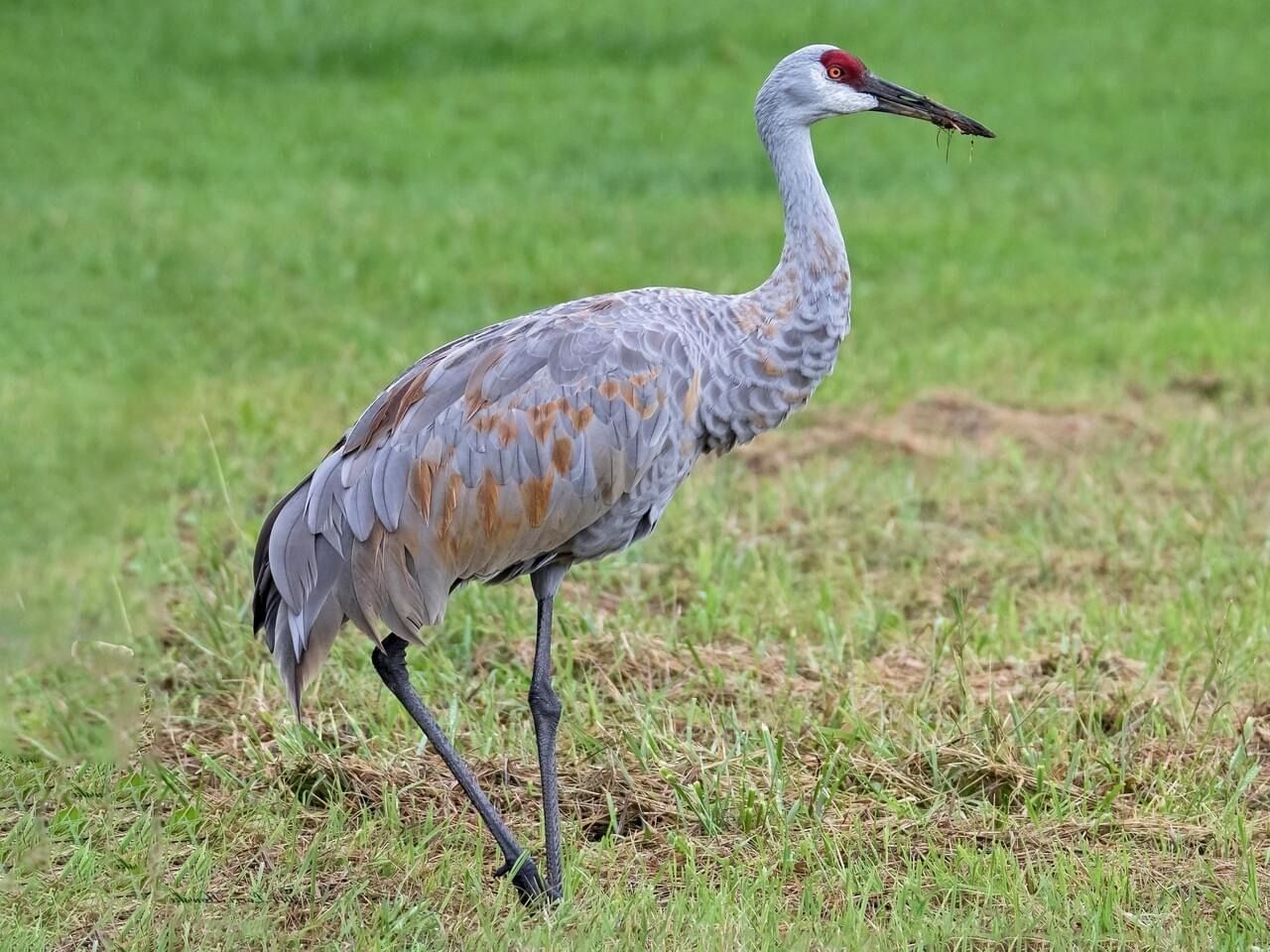
Happy #WildlifeWednesday! The Sandhill Crane is a tall elegant bird with a heavy body, soaring 6-foot wingspan, red crown of feathers on its head, and a fluffy bustle of gray plumage at its back end. This graceful long-necked avian has a loud rolling trumpet-like vocalization that can be heard for miles. Mated pairs will engage…
Curious about the health of our local ecosystems and how The Wilderness Center (TWC) protects them? Join us for an insightful three-part series presented by TWC’s conservation experts. This series will provide a transparent look into our ongoing efforts, highlighting the critical work being done to safeguard the natural beauty and biodiversity, right here in…
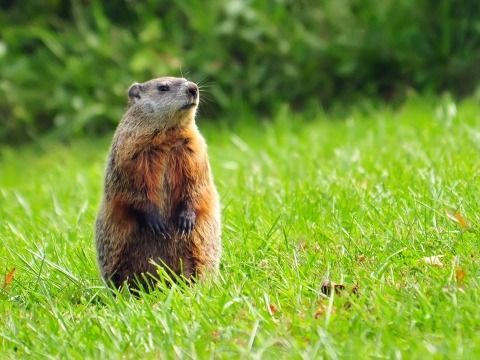
Happy #WildlifeWednesday! It’s almost the big day for everyone’s favorite prognosticating rodent, so let’s celebrate with some groundhog info! The groundhog, Marmota monax, is also known as a woodchuck and a whistlepig. They are members of the squirrel family, belonging to the group of large-bodied ground squirrels called marmots. Groundhogs prefer open country habitat and woodland…
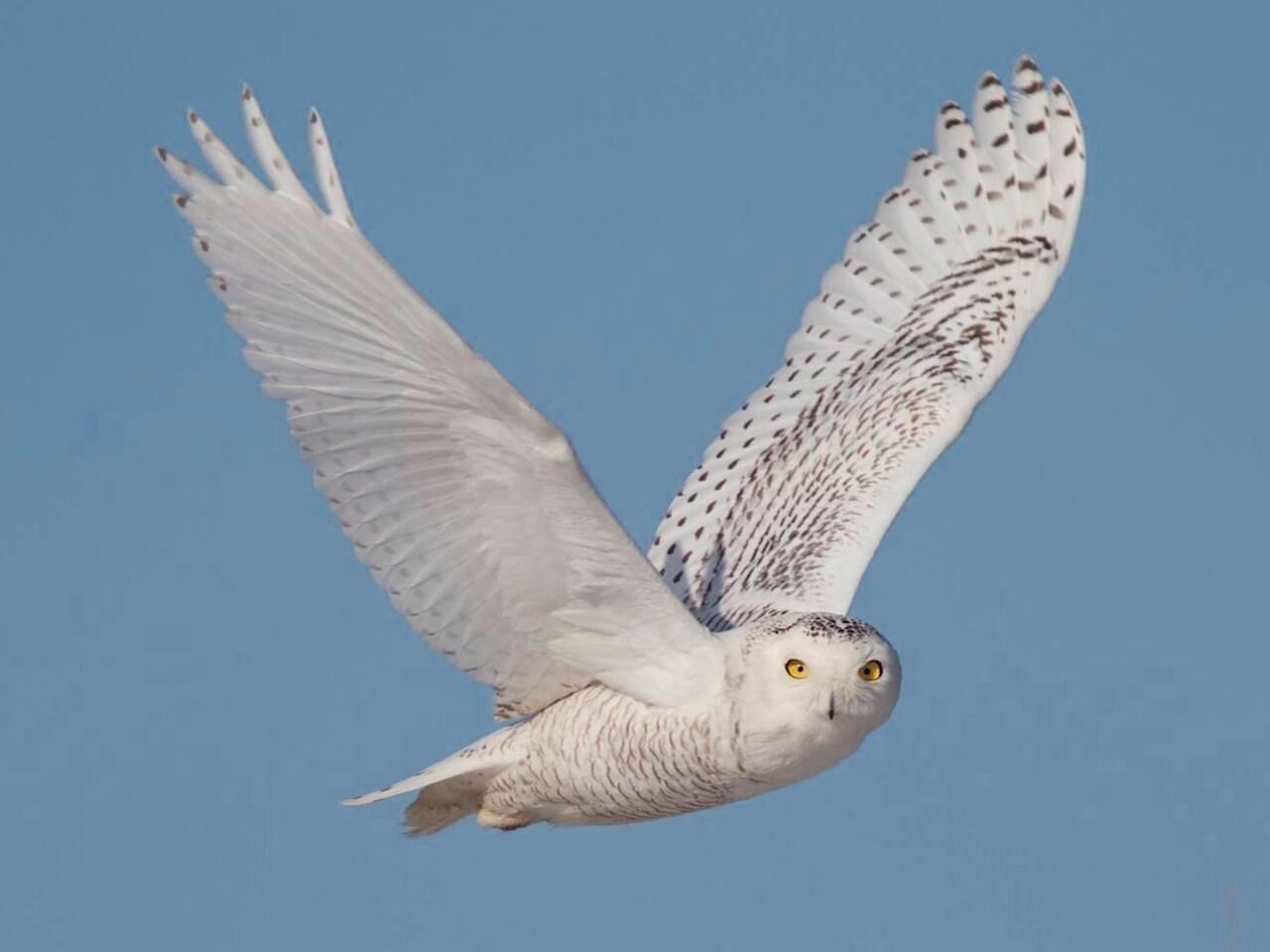
Happy #WildlifeWednesday! The Snowy Owl is the heaviest owl in North America and one of the largest owls in the world. It is native to the Arctic where it spends its time breeding and hunting on the tundra. While most owls are primarily nocturnal, the Snowy Owl is diurnal, active during the day. And during…