






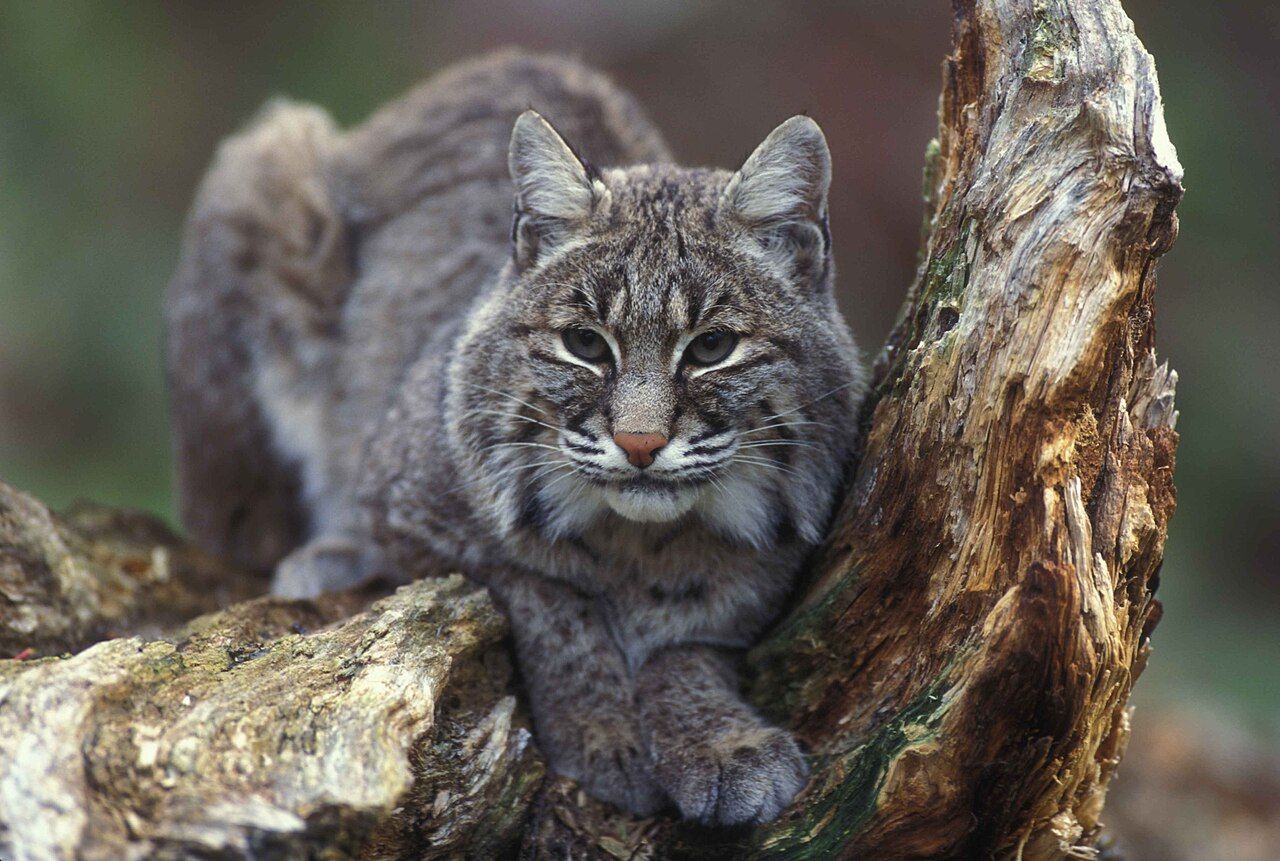
Bobcats are native to Ohio. However, being solitary, elusive, shy and nocturnal they are rarely seen. Bobcats have had rough go in Ohio. Prior to the arrival of settlers, they were found throughout the state. Throughout the 1800s forests were cleared and marshes and wetlands were drained so that farmsteads and towns could be built. By 1850, due to habitat loss and hunting for the fur trade the bobcat became extinct in Ohio. Nearly a century later bobcat-suitable habitat started coming back as farmed areas were being changed back to forests and abandoned strip mines were rehabilitated. In the 1990’s a bobcat reintroduction program brought these cats back to Ohio. As of 2021, the most current ODNR data, there have been 561confirmed bobcat sightings in 81 of Ohio’s 88 counties. Although most bobcat sightings are in southern and southeastern Ohio, confirmed sightings are moving northward - Stark, Wayne, Holmes, and Tuscarawas counties have confirmed sightings. Bobcats are about twice as big as a house cat and weigh up to 30 pounds. They are fierce, highly skilled, carnivorous apex predators and important members of the ecosystem. These cats are ambush predators relying on their exceptional hearing and night vision to stalk prey before pouncing. They can jump as far as 12 feet to pounce on prey, run as fast as 25 to 30 miles an hour, and they are skilled swimmers. They can even jump high enough to catch low-flying birds. Their prey includes mostly rabbits, young white-tail deer, and small mammals. Although mammals make up most of their diet, they are considered generalist carnivores and will also eat insects, reptiles, amphibians, fish, and birds. They help to keep these prey species in check. We don’t often get to celebrate the return of a once-native species - the resurgence of bobcats in Ohio is an environmental success story the state prides itself on. Bobcats are protected in Ohio. There is no hunting or trapping season for them and their most common predators, wolves and mountain lions, don’t live in Ohio. With the success of the re-introduction program the bobcat was removed from Ohio’s endangered and vulnerable species list in July 2014. For the bobcat to succeed they need the night to be dark. Light pollution or skyglow can reach hundreds of miles from the urban area creating the pollution. It reaches into the dark areas where bobcats live and interferes with their hunting and safety. Light pollution is one challenge to the bobcat’s success that everyone can do something about.
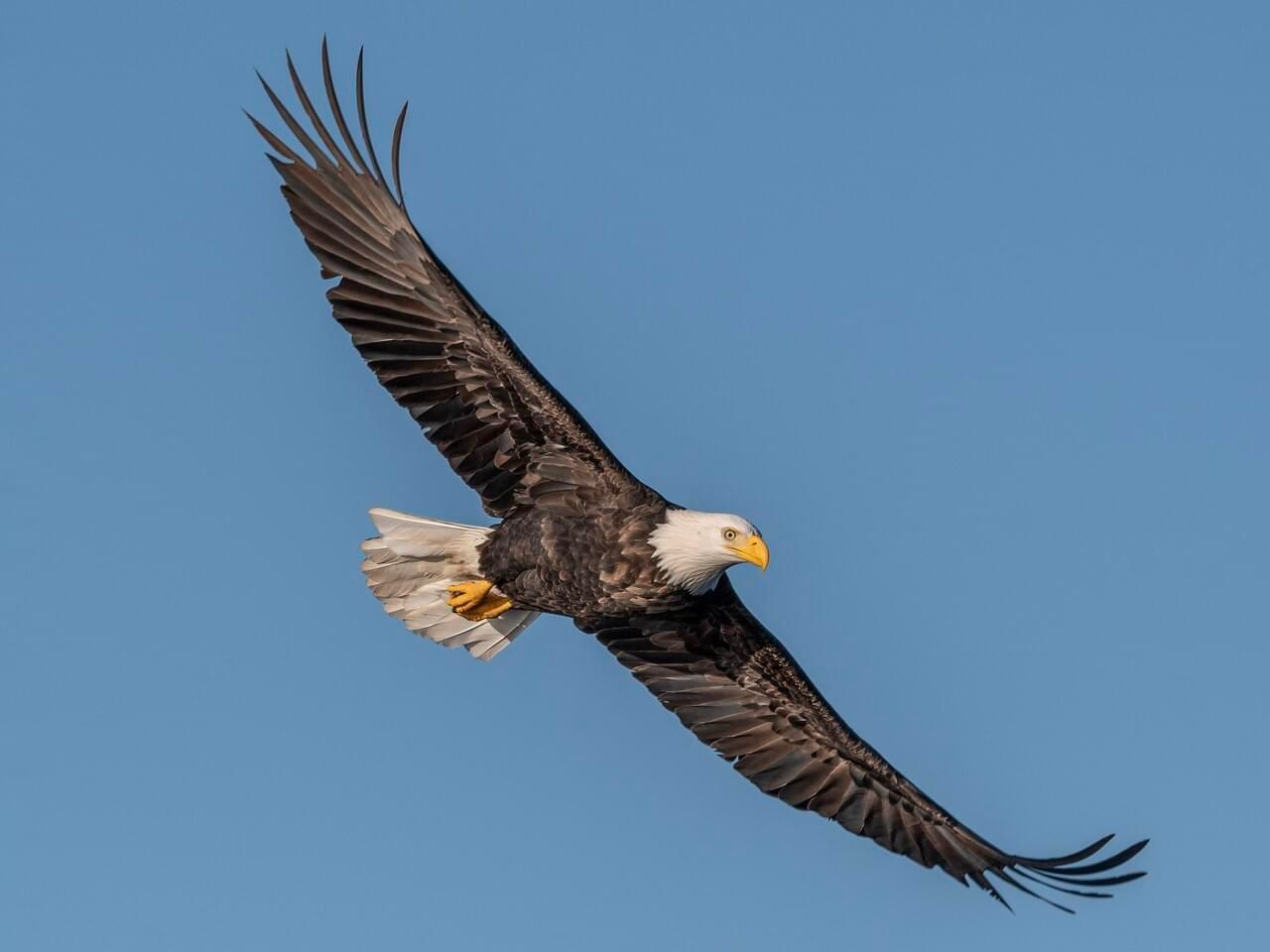
It’s #WildlifeWednesday and we are celebrating the upcoming Independence Day holiday with our national symbol, the Bald Eagle! The Bald Eagle is found throughout Ohio, with the largest concentration of birds located in the marsh regions along Lake Erie. They prefer areas with large old growth trees for nesting near open bodies of water. Primarily a fish-eating bird of prey, they will also consume ducks, rodents, reptiles, and carrion. The Bald Eagle is a sturdy raptor, weighing between 7 and 14 pounds. Females are about 25 percent larger than the males. The plumage of immature eagles is brown, with the white feathers of the head and tail developing at around 6 years of age. They live for an average of 20 years in the wild and can have an even longer lifespan in captivity. Bald Eagles mate for life, often returning to the same nest for several years. The courtship rituals are elaborate, with the males performing astonishing aerial flight displays. The pair will lock talons and cartwheel, spin, and freefall, separating their hold on each other just before hitting the ground. The nest is the largest built by any bird in North America and typically can be 8 feet wide and 13 feet deep. A record-setting nest in Florida weighed nearly 3 metric tons! Another famous nest located in Vermillion, Ohio was used for 34 years and was shaped like a wine glass, weighing over 2 tons before the tree that held it blew down. The Bald Eagle was classified as an endangered species in the mid-20th century due to severe population decline caused by the pesticide DDT. The chemical affected calcium levels in adult birds, and as a result their eggs were too thin and would break when sat upon. Illegal shooting and lead poisoning from shotgun pellets left in animal carcasses killed by hunters also contributed to their decline. With the ban of DDT and development of wildlife protection and environmental regulations, our national bird has made a comeback and remarkable population recovery. The Bald Eagle species status was changed from endangered to threatened, then de-listed altogether, and now holds a risk level of least concern, which is indeed something to celebrate!